
Yes, there are dog-friendly apartments near Terry Hershey Park in Houston, and that can be a practical choice if regular trail access is a priority for you and your dog. The key is not just finding a community that allows pets, but verifying how easily you can reach the park, how your dog will handle a long linear trail environment, and whether the apartment itself supports everyday pet routines.
Why Terry Hershey Park appeals to dog owners
Terry Hershey Park is one of west Houston’s best-known outdoor corridors because it follows Buffalo Bayou and connects a long stretch of hike-and-bike trail through the Energy Corridor area. For dog owners, that matters because it offers much more than a small patch of grass. You get a substantial place for leashed walks, changes in scenery, and the kind of distance that helps active dogs burn energy.
It is also important to understand what kind of park this is. Terry Hershey Park is not simply a fenced dog run. It is a linear public park with paved and natural-surface trail segments, creek and bayou crossings, and multiple access points. If your dog does best with structured walks rather than off-leash play, that setting can be a better fit than a stand-alone dog park.
The park’s length can be a benefit, but it also creates a real day-to-day question for renters: which access point would you actually use? A property may be generally near Terry Hershey Park, but your routine will depend on where you enter the trail, where you park if you drive, and whether you prefer shorter weekday walks or longer weekend outings. Looking at a trail map before leasing is more useful than relying on a broad claim that a community is “close to the park.”
Weather and trail conditions are part of the decision too. Houston heat, rain, and humidity can change how often you use the park and what time of day works best. Because Terry Hershey Park runs along Buffalo Bayou, conditions can vary after heavy weather. Before you commit to an apartment for trail access, it is smart to review recent park information from Harris County Precinct 3 or check local mapping and park updates to see the entrances and conditions you would actually use.
What to check in an apartment community if the park is part of your routine
If you want to live near the park with a dog, the first screening question is simple: does the community clearly allow pets, and what are the actual restrictions? At The Argyle, pets are allowed, with a maximum of two pets per apartment home. The community also states that breed and weight restrictions may apply, so a renter with a large dog or a restricted breed should confirm the current policy directly before applying rather than assuming the park-oriented location makes every dog a fit.
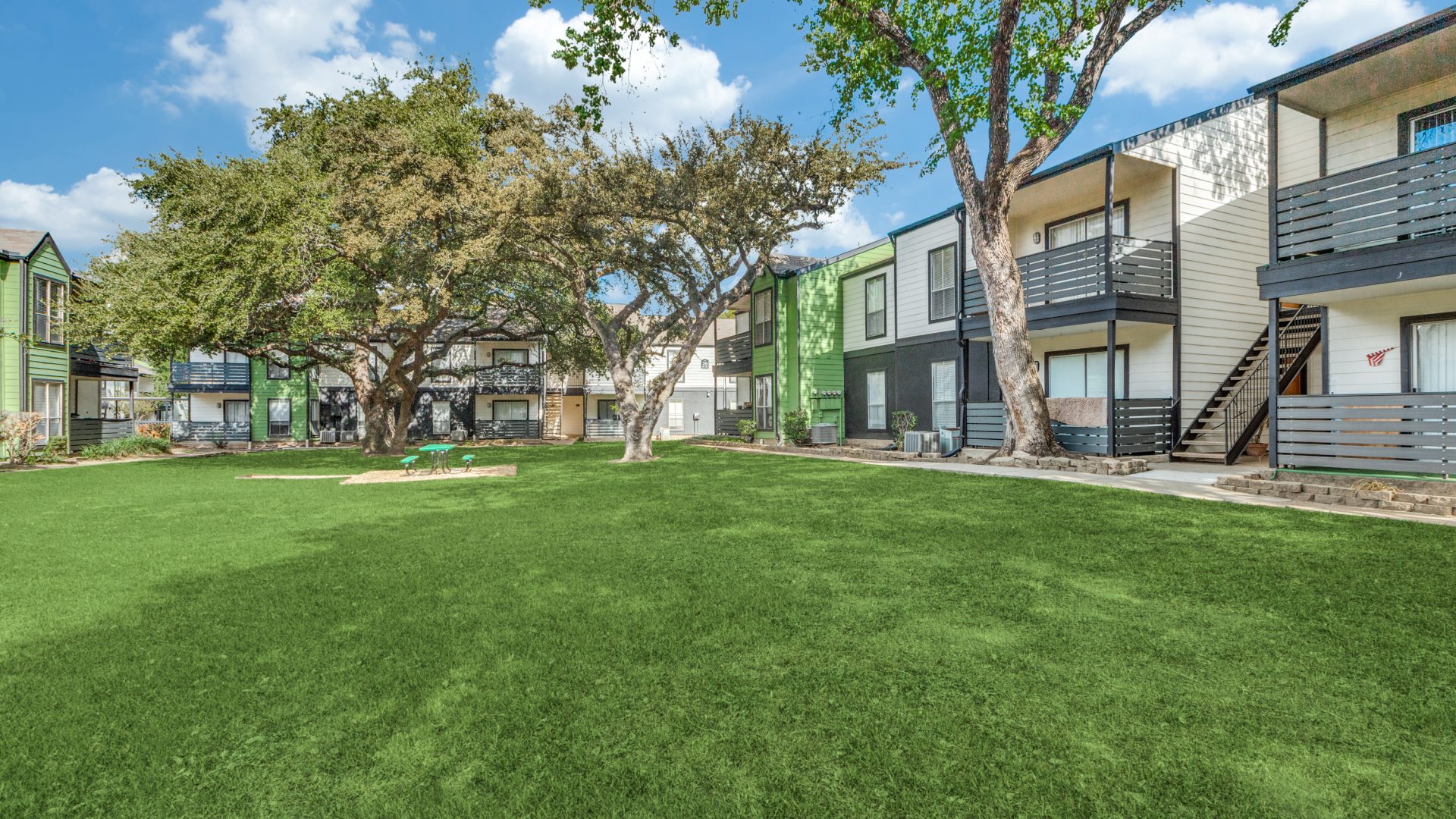
On-site pet support matters almost as much as park access. The Argyle states that it has a dog park and pet stations throughout the community. That is useful because Terry Hershey Park may be ideal for longer walks, but most dog ownership happens in shorter daily intervals, early-morning potty breaks, late-night outings, and quick walks between work tasks. A community with basic on-site pet infrastructure can make those routines easier on the days when you are not heading to the trail.
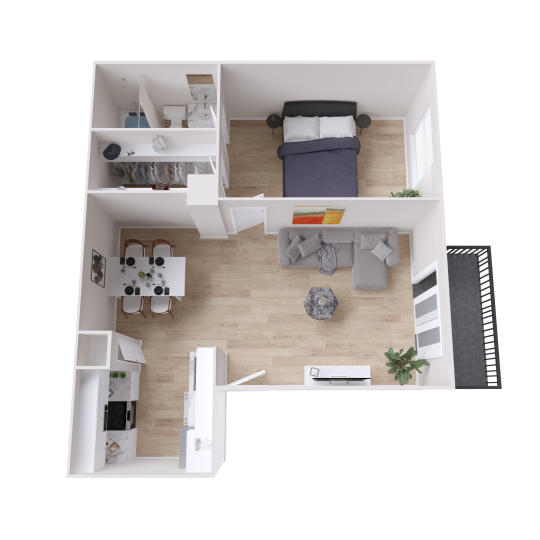
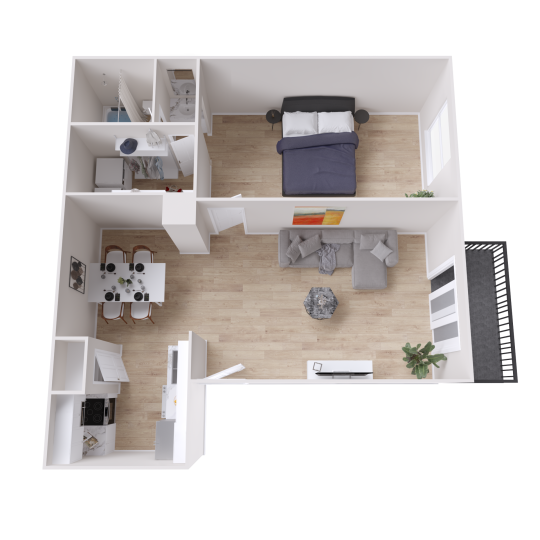
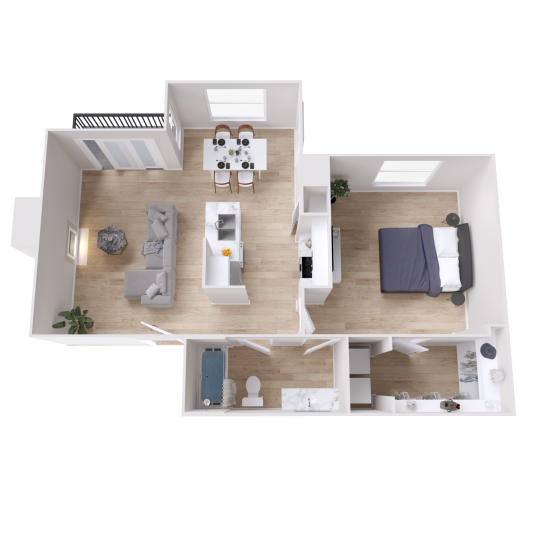
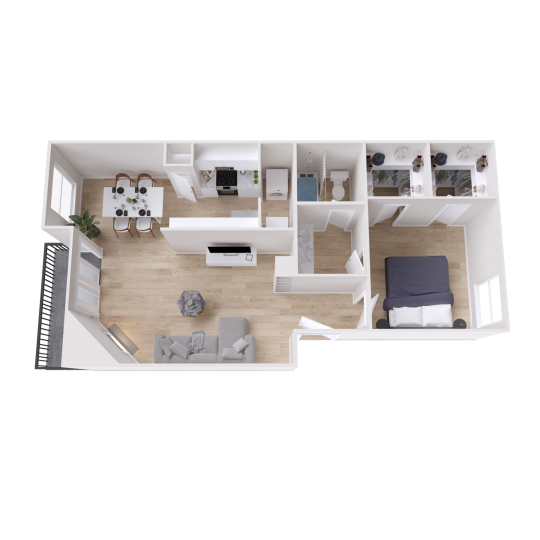
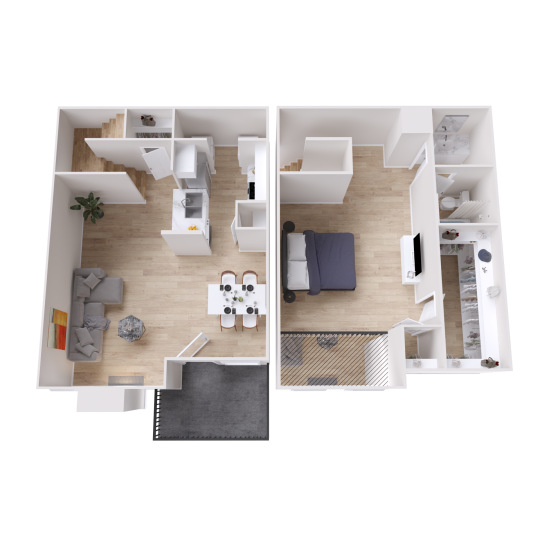
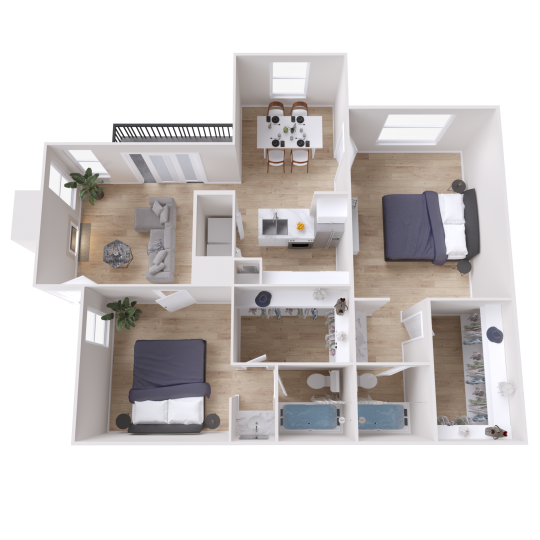
Apartment layout can affect pet life in ways renters sometimes overlook. The Argyle offers one- and two-bedroom floor plans, along with features such as private patios and secluded balconies, plus townhome split-level design in some homes. For a dog owner, that raises practical follow-up questions worth asking on tour: whether your specific available home has direct-feeling outdoor access, how many stairs are involved, and whether a patio or balcony setup works for your pet’s size, age, and mobility.
Parking is another real consideration if your preferred trail access point is not the one closest to your front door. The Argyle offers open surface parking, with reserved carports available based on availability. If you expect to drive to a specific Terry Hershey Park entrance for weekend walks, confirm how parking works at the community and then compare that with the parking situation at your likely park access points. That gives you a more realistic sense of whether the routine will stay easy after move-in.
How to decide whether The Argyle makes sense for a dog owner who wants park access
The most relevant fact here is that The Argyle identifies Terry Hershey Park as part of its setting, and the community lists surrounding views of the park area and trail access as a neighborhood advantage. It is also located at 1335 Silverado Drive in Houston’s 77077 area, which places it in the broader west Houston geography where renters often look specifically for bayou-trail access. That makes it reasonable to put on your list if the park is one of the reasons you are moving.
Still, this decision should be made at the routine level, not the marketing level. Before leasing, map the apartment address against the specific Terry Hershey Park entrances you would most likely use, then test the route at the time of day you would normally go. A route that feels simple on a map may be less appealing if it involves busy crossings, indirect sidewalks, or a drive you would not actually want to make before work.
It is also worth matching your dog’s needs to the type of home you are considering. A smaller one-bedroom may suit a renter whose dog gets most exercise outdoors on the trail, while a larger one- or two-bedroom may be more comfortable for a bigger dog, multiple pets within policy, or a household where someone works from home and the dog spends more time inside. The Argyle’s available floor plans range from one-bedroom layouts to a two-bedroom option, but current availability, exact apartment placement, and whether a given home includes a specific feature should be confirmed with the leasing team.
A good next step is to tour The Argyle with a park-access checklist in hand: ask for the current pet policy, confirm any breed or weight limits, see the on-site dog park and pet stations, and then compare the address with the Terry Hershey Park entrance you would realistically use most often. That will tell you much more than a generic “pet-friendly” label alone.